
Home / Services / Blown-In Insulation
Attics, Walls & Retrofits
Blown-In Insulation in Oxford, MS
Blown-in fiberglass and cellulose for attic floors and retrofit walls in Oxford homes, rentals and historic properties.
Blown-in insulation earns its place on Oxford homes because real attics are rarely neat rectangles. Historic houses near the Square have been added onto in stages, rentals near the Ole Miss campus carry decades of piecemeal updates, and even newer subdivision homes on the edge of town can have duct chases, recessed lights and framing that break up the ceiling plane. Loose material flows around those obstructions and levels across open spans better than batts that get cut around every pipe. Oxford Spray Foam Insulation installs blown-in fiberglass and cellulose for attic floors, top-ups and closed wall cavities, with spray foam recommended only where the assembly truly calls for it.
Fiberglass or cellulose
Blown-in fiberglass is spun glass that resists moisture absorption and tends to hold depth with less settling. Cellulose is recycled paper treated for fire resistance, and it packs densely around irregular framing while slowing air movement through the layer. Both perform well in zone 3A when installed to the right depth and paired with air sealing at the ceiling plane, and both have to stand up to a climate that swings from humid 95-degree afternoons to winter nights in the twenties. Fiberglass often costs a bit more and settles less; cellulose can be a strong value on big attic floors. We carry both and explain the tradeoff without steering you toward whatever is on the truck.
Depth is the job: R-value explained plainly
R-value measures resistance to heat flow, so a higher number means heat moves more slowly through the layer, in either direction. That matters in Oxford, where the attic has to block summer heat gain and winter heat loss in the same year. For blown-in material, R-value comes mostly from installed depth: more target R-value means more inches on the attic floor. That is why we quote depth in writing and set markers across the attic instead of judging by eye or by bag count alone. Many Lafayette County homes, from game-day houses to older rentals, were built or renovated with thin attic coverage that no longer matches what the climate demands.
Top-ups of existing attics
If the material already in your attic is dry, clean and simply too thin, a top-up can bring it to target depth without a full removal. Before adding anything we check for active roof leaks, pest damage, bath fans dumping into the attic and open soffit paths that need baffles. We also look for ceiling air leaks around lights, chases and attic access points, because added depth works best when the air pathway is controlled first. For the broader attic picture, see our attic insulation page.
Blown-in for retrofit walls
Many older wood-frame homes around Oxford have empty wall cavities or settled material that leaves cold strips at outlets and baseboards in January and hot wall surfaces in August. Dense-pack blown-in cellulose or fiberglass can fill those walls through small patchable holes, drilled from inside or outside depending on siding and access. It is a practical retrofit for historic homes and rental properties because it improves comfort without gutting rooms, and it can soften sound between bedrooms, a real benefit in student rentals and game-day houses that host full crowds.
Get a measured, written quote
Every blown-in estimate names the material, target depth, square footage and any prep such as baffles or air sealing. Call 662-257-3030 or use the quote form to schedule a free attic or wall inspection in Oxford, Abbeville, Taylor, Water Valley, Batesville, Como and the other Lafayette County and north Mississippi communities listed on our service areas page.
Questions
Common questions
Fiberglass or cellulose: which is better?
Both are proven when installed to the right depth. Fiberglass generally settles less and shrugs off moisture exposure better; cellulose packs tightly around framing and can cost less installed. We recommend from the attic conditions, not from a one-product script.
Does blown-in insulation settle over time?
Loose-fill products settle somewhat, cellulose more than fiberglass. We account for that in the installed depth so the settled layer still meets the target named in your estimate, and depth markers let you verify coverage.
Can you blow insulation into the walls of an older home?
Yes. Dense-pack material fills closed cavities through small holes that are patched afterward. It is a common retrofit for older Oxford homes whose walls were never insulated, and it improves both winter warmth and summer comfort without disturbing finished rooms.
Want to know what your attic or walls would cost?
We measure the space, check prep needs and quote the material and depth in writing before work is scheduled.
Free written estimates • No obligation • Local team
Explore more
Other insulation services
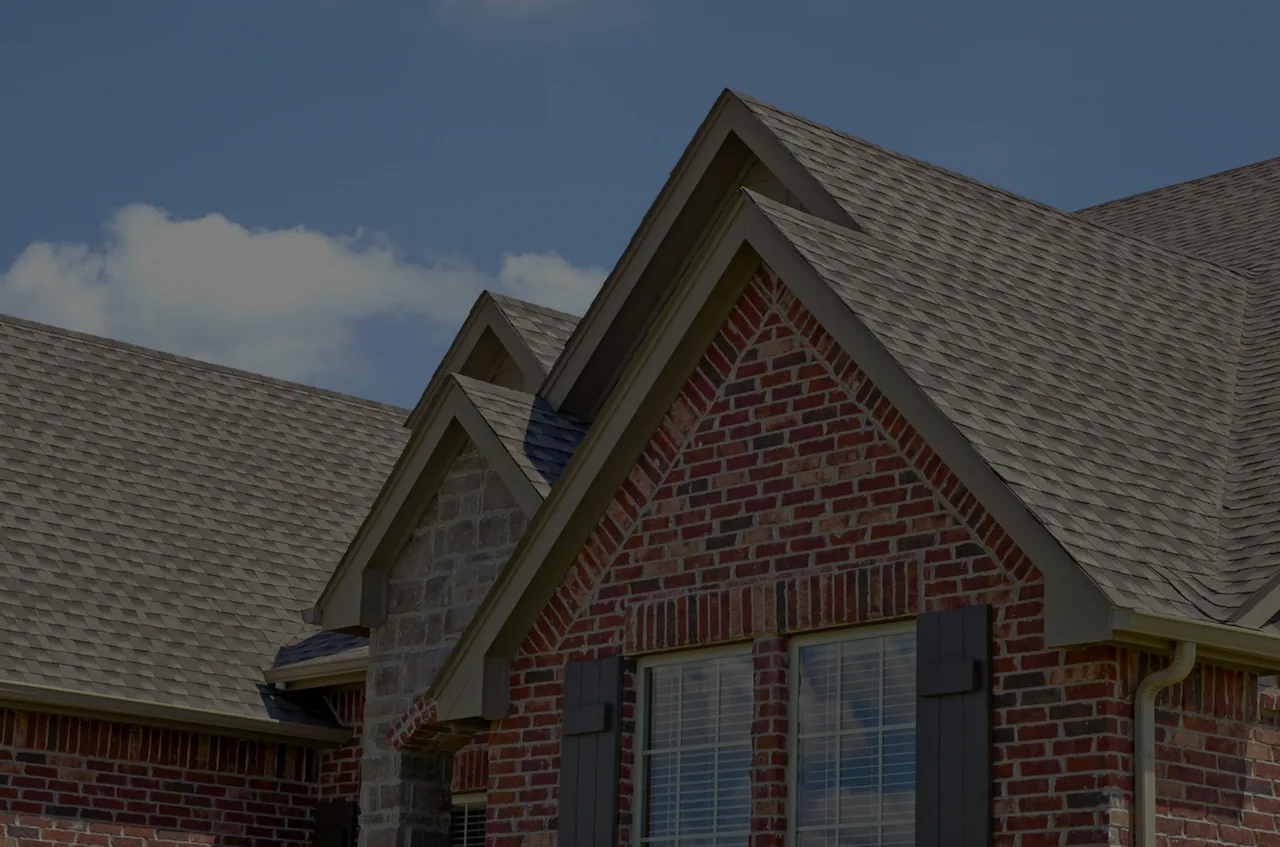 Attic InsulationFull attic upgrades: air sealing, ventilation protection and the right material at the floor or the roof deck.Explore service →
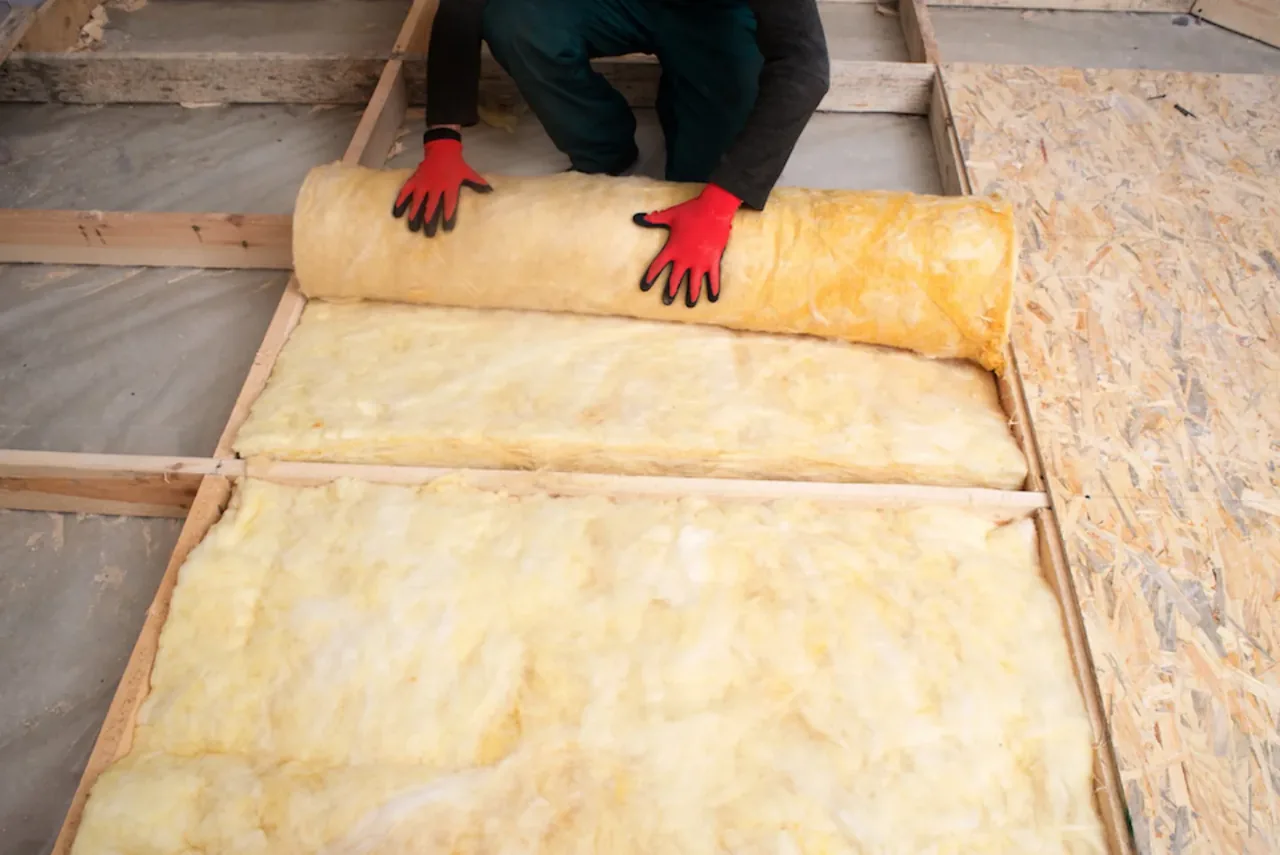 Spray Foam InsulationOpen-cell and closed-cell spray foam that insulates and air seals in one pass, for assemblies where foam is the right call.Explore service →